Inspect & prepare
Assess the pipe, manage the flow, clean and survey by CCTV. Remove obstructions before lining.
Condition survey · geometry · access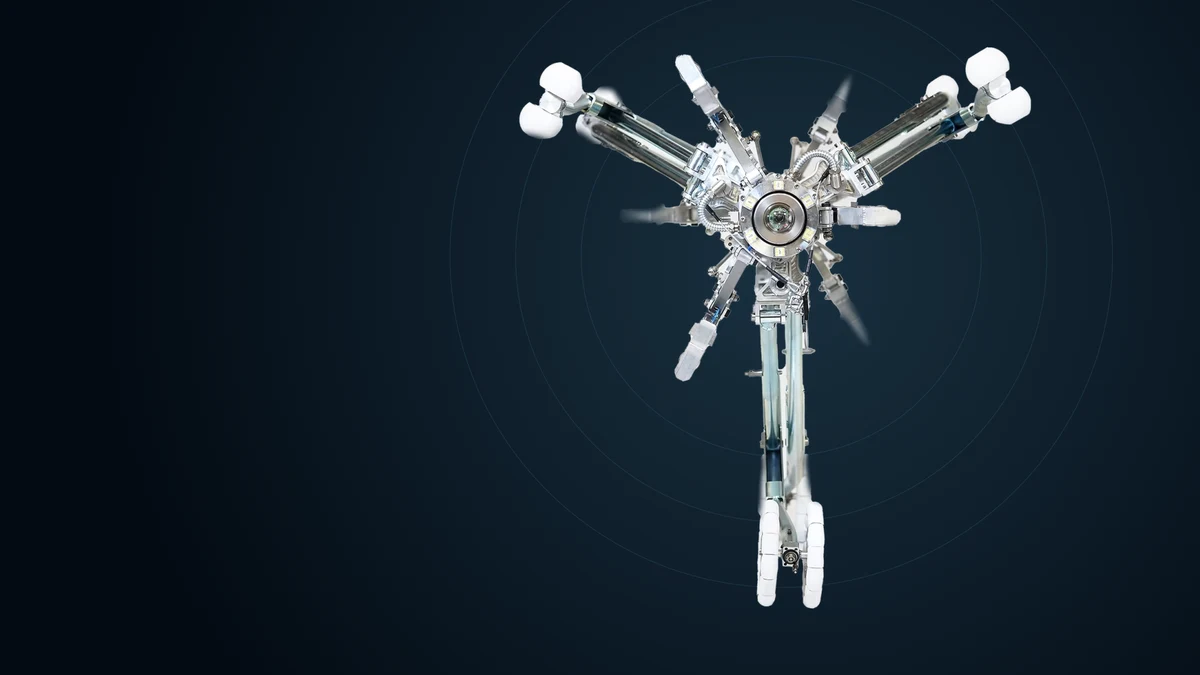
TECHNOLOGY / UV-CIPP
Glass-fibre liners. Controlled UV curing.
Independent attention to every stage.
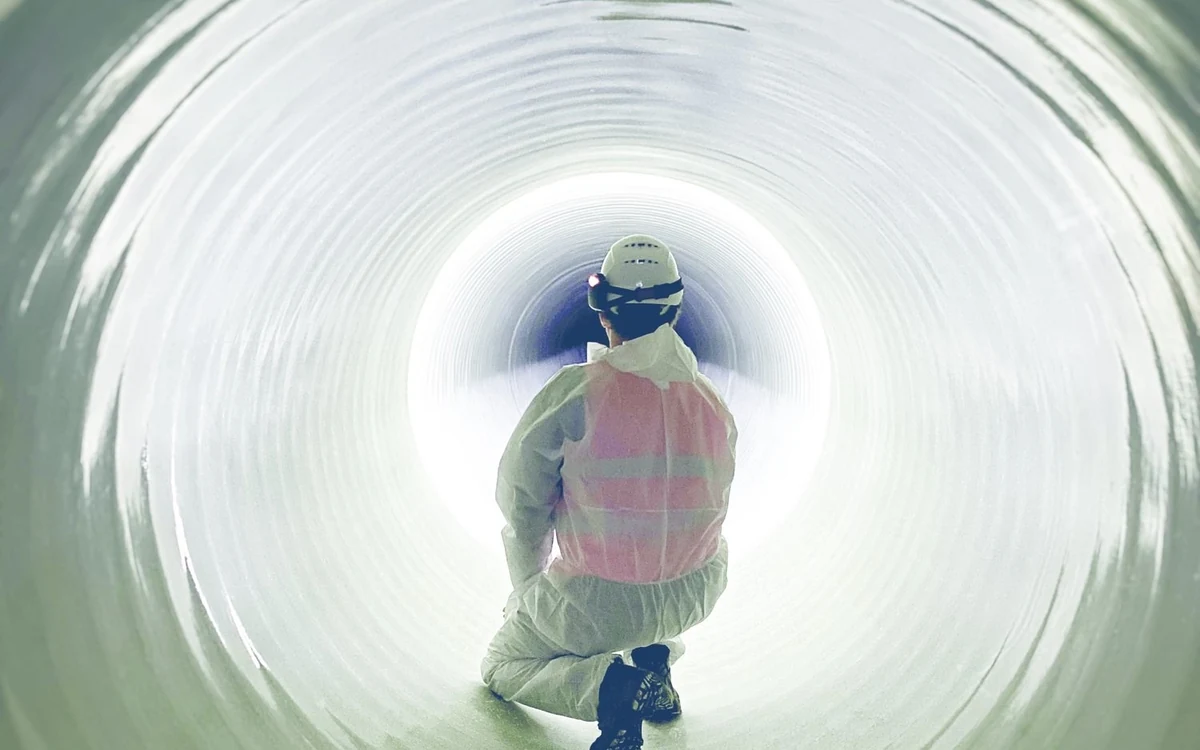
UV-CIPP creates a glass-fibre reinforced plastic pipe within an existing pipeline. It is a structural liner, rather than a surface coating.
The host pipe is assessed first. Liner selection, wall thickness, resin and curing configuration follow the project design and the manufacturer’s requirements. Gravity sewers can often be accessed through existing manholes; pressure pipelines may require access pits.
FROM PREPARATION TO HANDOVER
Assess the pipe, manage the flow, clean and survey by CCTV. Remove obstructions before lining.
Condition survey · geometry · accessA ready-to-install, resin-impregnated liner is winched into the pipe using the specified protection and monitored pulling force.
Liner identity · handling · pulling forceEnd packers and controlled air pressure bring the liner against the host pipe wall.
Pressure steps · liner positioningThe light train travels through the liner at the specified speed. The curing process is recorded.
Speed · temperature · pressure · lamp statusRemove the temporary inner foil for the gravity liner system, finish the ends, reopen laterals and seal the connections.
End finishing · connections · lateralsComplete the agreed CCTV, leak tests and laboratory sample programme. Assemble the installation record.
Survey · tests · samples · documentationProcess overview for understanding the work. The system-specific method statement, design and installation manual govern execution. IDS’s supervision scope is agreed separately.
A simplified cutaway separates the structural liner from the host pipe, brings them together, then shows a UV light train moving through the lined pipe. The finished lining remains for inspection. The six-step overview above describes the complete site process.
GRAVITY LINER / BUILD-UP
SCHEMATIC / NOT TO SCALE
Protection and barrier films on the host-pipe side.
Resin-impregnated ECR glass fibre provides the structural laminate.
The defined inner surface layer is matched to the liner system.
For the gravity system shown, the inner foil is removed after curing.
Pressure liners use a different build-up, including a permanent inner coating. The removable gravity-liner foil must not be confused with that coating.
SELECT FOR THE APPLICATION
| System | Application | Range | Selection context |
|---|---|---|---|
| Alphaliner 500G | Gravity sewers & drains | DN 150–1200 | For small and medium gravity pipelines. |
| Alphaliner 1800H | Gravity sewers & culverts | DN 150–2000 | For higher structural demands and larger profiles. |
| Alphaliner PN | Pressure pipelines | DN 200–800 | Up to PN 25 depending on diameter and design. Availability is market-specific. |
| AQUA.UV® CIPP | Drinking-water mains | Project-specific | Dedicated drinking-water system. Confirm diameter, pressure, approvals and local availability. |
Product ranges are an orientation, not a project specification. Wall thickness, curing limits, installation length and approved configuration require current manufacturer confirmation.
BEFORE A LINER IS ORDERED
For 500G and 1800H, review the host-pipe condition, groundwater, soil and traffic loads, profile and required flow area. Higher laminate stiffness can allow a thinner design, but wall thickness must also lie within the approved curing window.
Alphaliner PN uses reinforced glass fibre and a permanently bonded internal barrier. Review operating pressure, pressure cycles, vacuum, bends, end connections and access pits. A gravity-liner installation method cannot simply be reused.
AQUA.UV is a dedicated drinking-water liner. Verify local acceptance, the exact product listing, resin, end connections, cleaning and commissioning requirements. Confirm the available diameter and pressure configuration with the manufacturer.
Select resin against the medium, temperature and chemical exposure. Confirm each measured section against the liner, wall thickness, handling limits, cable configuration and current installation instructions.
UV CURING / RELINE EQUIPMENT
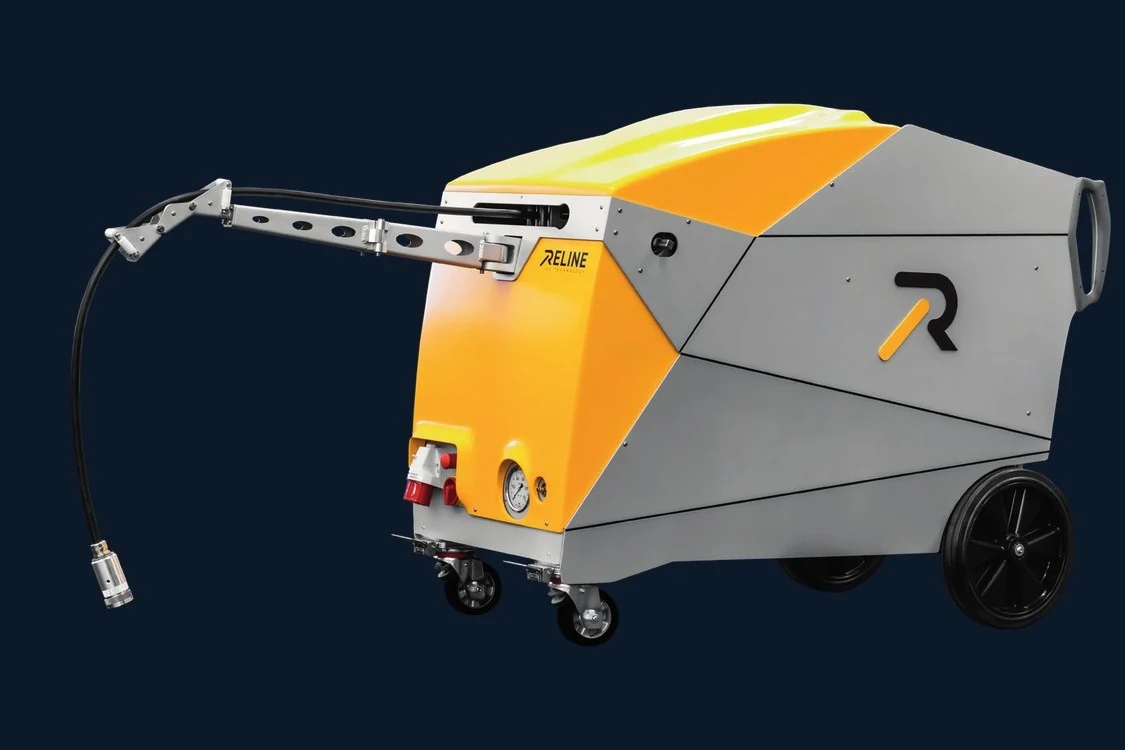
Compact configuration
An entry platform for smaller and medium diameters, configured with the appropriate light source and packers.
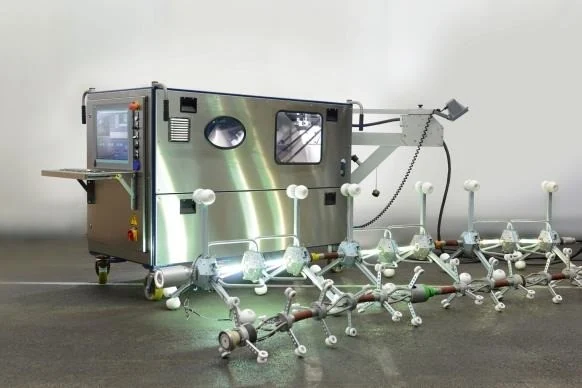
Mobile curing platform
A cable drum and control system with light chains selected for the liner, diameter and curing requirements.
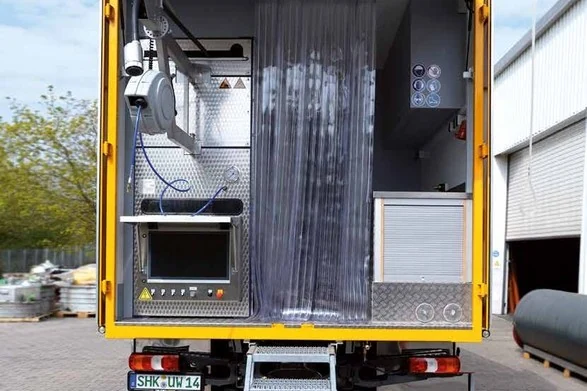
Larger-diameter configuration
A truck-installed platform for demanding liner configurations and larger diameters.
EQUIPMENT / PLANNING GUIDE
DN 150–600
Light chain; a suitable manhole core extends the range to DN 1000. Cable up to 150 m.
DN 150–1200
Usual municipal configuration. Cable options and light source affect the diameter and wall thickness that can be cured.
DN 150–2000
Multiple light-source configurations. Professional installation with a 350 m curing cable; Power Cube for DN 1400–2000.
Diameter coverage is indicative and configuration-dependent. Before mobilisation, confirm light source, packers, wheel sets, curing limits, usable cable length, electrical supply and ambient operating limits. Cable length is not the same as an approved installation length.
Planning ranges summarised from RELINE’s October 2026 technical brief; confirm the current configuration with the manufacturer.
GULF & NORTH AFRICA / SITE PLANNING
Heat, logistics and operating networks shape the installation plan. These are the questions to resolve before materials and crews reach site.
Plan temperature-controlled transport and monitored storage. Keep the liner protected from light and manage its remaining shelf life against the delivery and installation programme. Confirm the limits for the actual liner and resin; special formulations can have different requirements.
Arrange shade, suitable equipment cooling and practical working hours. Confirm ambient operating limits and generator capacity. Check voltage and frequency compatibility explicitly, including on projects with a 60 Hz supply.
Collect the medium temperature and chemistry before choosing the resin. Assess groundwater, infiltration, external protection and any pre-liner requirement. Seal active infiltration as required by the approved method.
Plan bypass pumping, access pits or manhole access, lifting and liner handling. Coordinate road, rail, port or industrial operating windows with the relevant asset owner.
Identify the project design basis, consultant approval route, inspection plan and laboratory requirements early. Manufacturer approval, contractor qualification and project acceptance are separate checks; one does not replace the others.
Order against verified measurements and confirmed dates. Allow for production, freight, clearance, storage, specialist attendance and test turnaround. Review the contingency plan before committing to a lining window.
APPROVALS / TESTING / TRACEABILITY
RELINE lists DIBt and WRc among the approvals for its gravity liners. Review the current document for the exact product, resin, profile, diameter and installation conditions, together with the project specification.
Alphaliner PN is presented by RELINE as ISO 11297-4, Class A. Drinking-water suitability requires the applicable product listing and local acceptance; do not carry a gravity-system approval across to pressure or potable-water work.
RELINE’s October 2026 technical brief describes 50-year long-term material values derived from creep testing. That is a structural design basis under defined assumptions. It is not a blanket 50-year product or installation warranty.
Agree the test programme before work: liner identification, curing log, CCTV, leak or pressure testing as applicable, and laboratory results for the specified samples. Record acceptance decisions and close out deviations against the contract requirements.
Manufacturer evidence concerns the named product and its stated scope. It does not constitute an IDS certification. Request current certificates and project-specific confirmation from the responsible supplier.
RENEWAL / PRACTICAL TRADE-OFFS
| Consideration | Open-cut replacement | UV-CIPP rehabilitation |
|---|---|---|
| Access | Excavation along the replacement route; reinstatement depends on the site. | Gravity lining can use existing manholes. Pressure work may still need access pits. |
| Resources | Excavated material, new pipe and surface reconstruction form part of the work. | Reuses the existing route; assess liner production, transport, preparation and curing as well. |
| Operations | Plan road closures, utility interfaces and the replacement programme. | Plan flow diversion, work areas, installation windows and testing; disruption is reduced where the method is suitable. |
| Selection | May be necessary where alignment, capacity or pipe condition requires replacement. | Suitability depends on survey, structural design, hydraulic requirements and access. |
Compare environmental impact over the same pipe length, diameter, function and assessment boundary. A project carbon assessment should include materials, transport, site energy and reinstatement; a manufacturer study does not predict every project’s result.
IDS / INDEPENDENT OVERSIGHT
Our technical attention connects the agreed requirements to the installation record. Scope is defined for each assignment.
Condition survey, measured dimensions, proposed system, incoming liner checks and inspection plan.
Pulling force, inflation, speed, temperature and lamp-status records, with issues and actions tracked.
CCTV, agreed leak tests, laboratory sample results and a structured technical report.
BETTER INFRASTRUCTURE STARTS WITH A CONVERSATION.